by Alexis Halkovic, PhD, CultureCamp AI Co-CEO
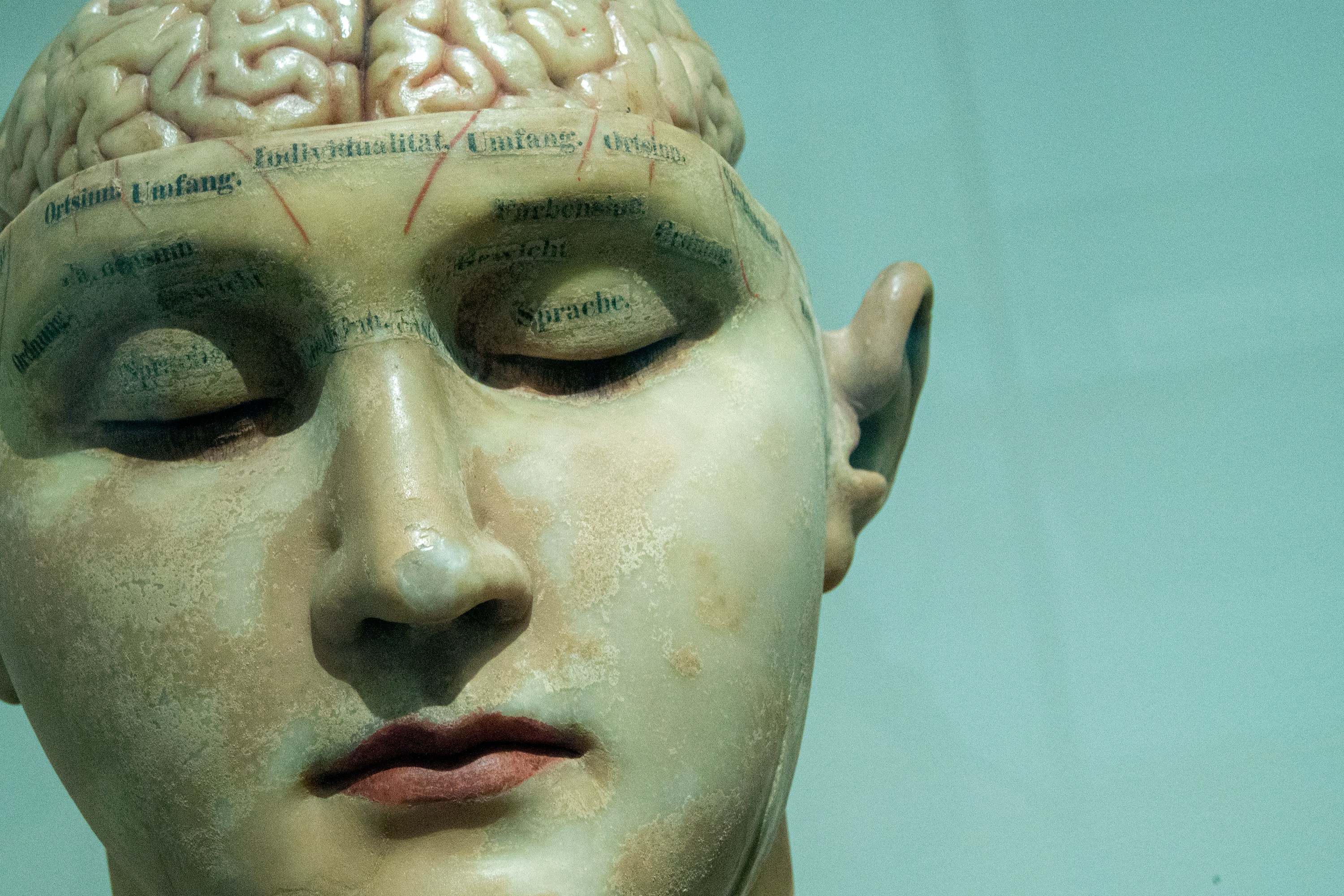
Photo by David Matos on Unsplash
The topic of cognitive and intellectual sovereignty has been important in recent months as AI tools are deployed in increasingly varied contexts.
I just asked my students about their AI use, hoping to gain insight into how they are working and how to best support their learning. I was surprised that almost all of them said they oppose AI in higher education settings. Many spoke about energy consumption and environmental impact. Many others raised concerns that AI would short-change their learning, and that there isn't a compelling use-case for deploying these tools in college classes. The core concern was intellectual sovereignty.
Having spent considerable time thinking and writing about what constitutes knowledge and who gets to be a knower, this struck a chord with me. I see a parallel between where I am now in my thinking about AI deployment and where I was three years ago, moving through cycles of grief.
I cope with disruption by trying to learn as much as I can. As adaptive behaviors go, I see it as a beneficial one. So I've been engaged in my own process of becoming facile with AI tools — required by my role as Co-CEO of CultureCamp AI, but also a way of engaging with the technological zeitgeist and understanding the future of work. The knowledge I'm gaining has numerous applications, and it can't stop. As the tools evolve, I have to be able to, at a minimum, understand what has changed and what the implications are. Without skin in the game, I'd be dependent on others to tell me what's going on — and that's not an option for me in this post-truth era.
All of this is to say; my intellectual sovereignty is now entangled with learning, understanding, and being able to work with these tools as they develop. What I've learned so far is that, in spite of everything, I retain my ability and my instinct to challenge the supposed benefits of new advancements and to learn by doing. I also re-learned that I love writing — that writing is both a form of processing information and a mode of conveying ideas. After observing how AI adapts my writing, I've formed an attachment to my own voice. The messiness of learning while doing is something I value.
I've been back to journaling with pen and paper in recent months. Different technologies produce different outcomes. Holding a pen lets me break rules that MS Word doesn't — but then I miss being able to edit a poem without scratching lines out and making things too messy.
I can work in spaces where I'm intentional about setting up agents, segmenting out the multiple roles I play, and being more discerning about how I use these tools. I can benefit from working through an idea with an AI. I think we've all been cyborgs for a while now — but we can also assert boundaries and determine when, where, and how to reap the benefits of that.
This era has also prompted me, and many others, to consider what it means to be human. To think about other-than-human intelligences. To be curious about what knowledge is and who gets to be a knower. To be curious and critical at the same time. Reflecting on the complicated nuances of this moment in an AI mirror shows something new and different. That reflection is what I'm most curious about examining.
And if you are another person in front of me in the coaching moment, I see you and your complexity. I reflect back to you while you work to lead as effectively as possible. These moments of presence are still profound. So, what if I can augment this connection without detracting from it? Would that be worth pursuing?